
Technical Information
- Max Build area: 192 x 108 x 370 mm
- Commercial-grade photopolymers: Henkel Loctite 3843 white, BASF Ultracur3D ® ST 45 B, Loctite P3 Stretch IND475™, Stratasys Dura 56 by Loctite.
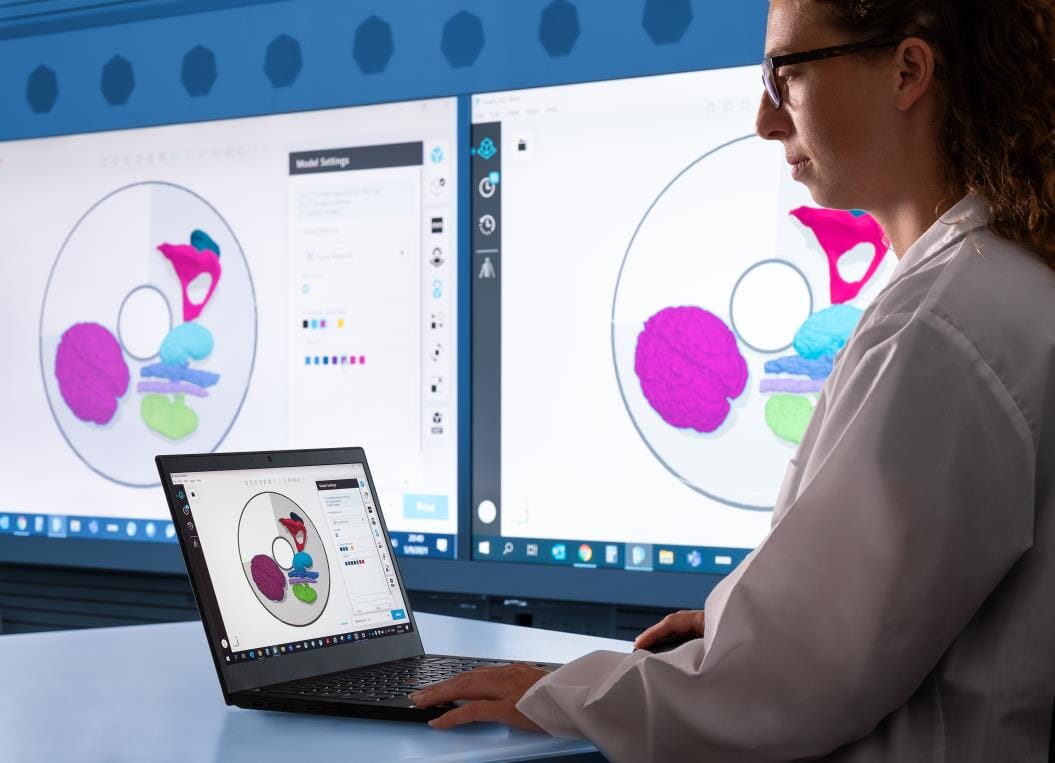
Here at 3D Print Bureau our Stratasys Origin ® One uses Programmable Photopolymerization (P3™) technology which precisely optimizes each print in real time, to give dimensional accuracy, consistency of mechanical properties and part isotropy. Unlike many AM systems, the Origin ® One prints with commercial-grade photopolymers, resulting in injection mould part quality.
Want to find out more on how DLP 3D Printing technology can help you and your business? Contact us to find out more.
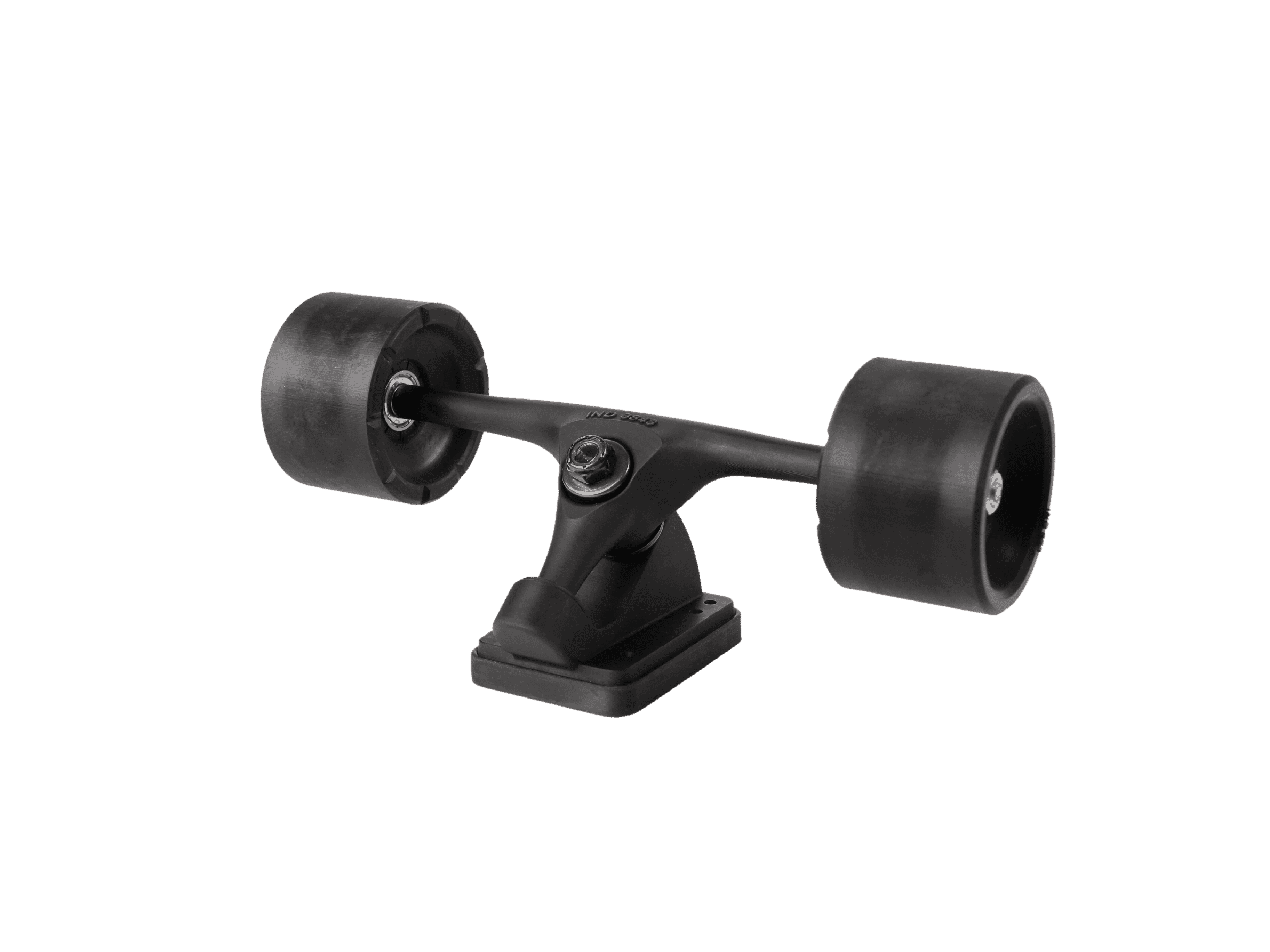
Find out more..At 3D Print Bureau we have a diverse client base utilizing DLP 3D Printing. We regularly produce DLP parts for a wide range of applications including:
This all depends on the resin. Stratasys DLP supports engineering-grade, impact-resistant, and heat-resistant materials that can outperform standard SLA resins.
Supports are printed in the same resin and must be manually removed after printing.
Yes very much so. Unlike SLA, Stratasys DLP (Origin One) is optimised for true production applications, delivering consistent, repeatable parts.
Much faster than SLA because it cures a whole layer at once. A full tray of dental aligners, for example, can be printed in just a couple of hours.
Durability depends on resin, but engineering-grade DLP resins can provide long-term stability, mechanical strength, and heat resistance.
Because it offers speed, accuracy, and material performance suitable for scalable manufacturing, not just prototyping.
DLP is faster and more efficient for small, intricate casting patterns, while SLA is better for large-format models.